

Rice has been at the center of Indian meals for centuries. It represents comfort, tradition, and cultural continuity. Yet in recent years, rice has been viewed with increasing caution, particularly among individuals managing diabetes, cholesterol, and weight-related health concerns. The common belief is that rice, especially polished white rice, offers little beyond empty carbohydrates and can even be harmful if consumed regularly.
This perception, while understandable, is not entirely accurate. The issue lies not in rice itself, but in what it lacks after modern processing: dietary fiber.
Dietary fiber is often referred to as the “forgotten nutrient.” Despite its critical role in maintaining health, it is one of the most under-consumed elements in today’s diets. By understanding the importance of fiber, the difference between its two forms, and how innovation in food science has created healthier alternatives, we can reframe how rice fits into a balanced lifestyle.
Understanding the Role of Fiber
Fiber is a type of carbohydrate that the human body cannot digest. Unlike sugars and starches, which are broken down into glucose, fiber passes through the digestive system largely intact. Its value lies in how it interacts with the body’s processes rather than in calories or energy.
There are two main types of fiber: soluble fiber and insoluble fiber. Both are essential, but they affect the body in different ways.
Soluble Fiber – The Regulator
Soluble fiber dissolves in water to form a gel-like substance in the digestive system. This gel slows down the absorption of sugar, helping to prevent sudden spikes in blood glucose levels. For this reason, soluble fiber is particularly beneficial for individuals with diabetes or those at risk of developing it.
Additionally, soluble fiber binds with cholesterol particles in the digestive tract and helps remove them from the body. This contributes to lowering LDL (bad) cholesterol and supports overall heart health. Soluble fiber also nourishes the beneficial bacteria in the gut, improving digestion, immunity, and nutrient absorption.
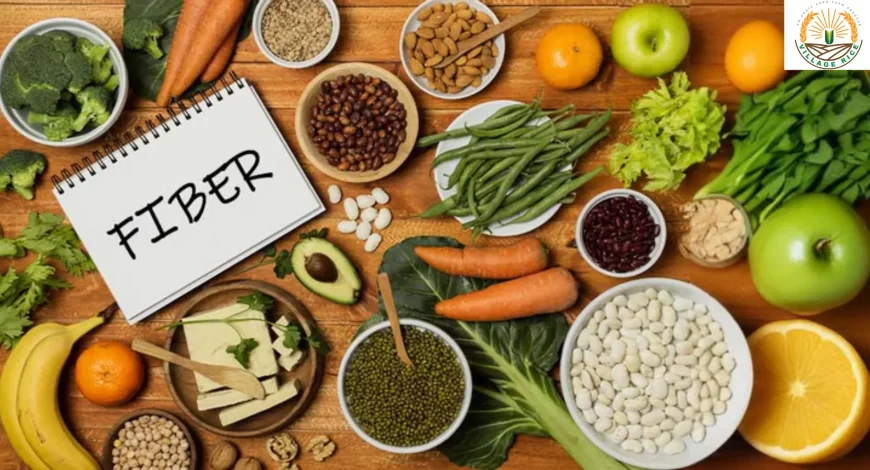
Common food sources of soluble fiber include oats, beans, lentils, and certain fruits. However, most staple foods – including regular white rice – are very low in soluble fiber.
Insoluble Fiber – The Cleanser
Insoluble fiber, in contrast, does not dissolve in water. Instead, it adds bulk to stool and facilitates regular bowel movements. It prevents constipation and helps maintain overall digestive health. Foods rich in insoluble fiber include whole grains, nuts, seeds, and many vegetables.
While insoluble fiber is widely available in plant-based foods, soluble fiber is harder to obtain in sufficient amounts, particularly in diets that rely heavily on refined staples.
The Gap in Modern Diets
Over the past several decades, polished white rice has become the dominant form of rice consumed across India and many parts of the world. While it is soft, easy to cook, and preferred for its texture, the milling and polishing process strips away much of its natural fiber content. The result is a carbohydrate-rich food with little to slow down sugar absorption or contribute to digestive balance.
This lack of fiber explains why rice is often associated with concerns about weight gain, poor digestion, high cholesterol, and elevated blood sugar levels. Yet rice remains an irreplaceable part of many households, making it difficult for families to eliminate it entirely.
What is needed, therefore, is not the abandonment of rice, but an innovation that restores what was lost – fiber, particularly soluble fiber – without altering the qualities that make rice so integral to daily meals.
Introducing Village Rice – A Healthier White Rice
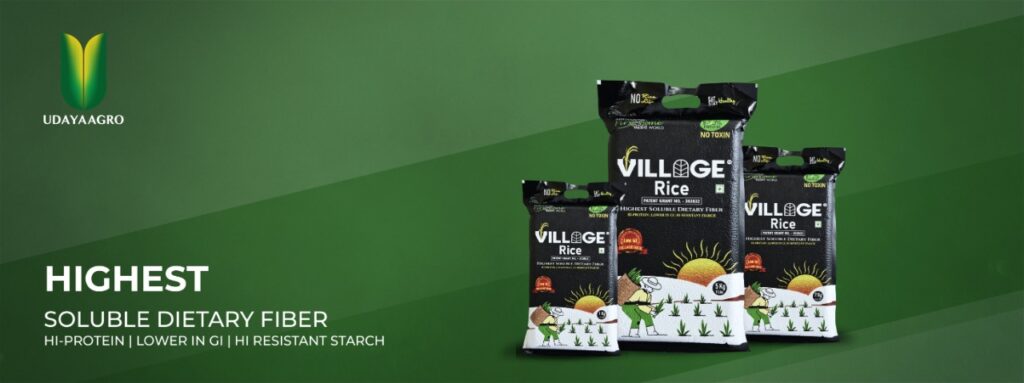
Village Rice was developed to bridge this exact gap. It is the world’s first white rice naturally enriched with soluble dietary fiber. Unlike traditional polished rice, Village Rice is specifically designed to deliver the health benefits of fiber while retaining the familiar taste, softness, and versatility of everyday rice.
With every serving, Village Rice supports:
Blood sugar regulation: Its high soluble fiber content helps moderate glucose absorption and lowers the glycemic response, making it suitable for people managing diabetes.
Heart health: Soluble fiber in Village Rice aids in reducing bad cholesterol levels, promoting better cardiovascular health.
Digestive balance: By feeding beneficial gut bacteria and supporting digestion, Village Rice contributes to a healthier gut microbiome.
Everyday enjoyment: Despite its enhanced nutritional profile, Village Rice maintains the same texture and cooking qualities as traditional white rice, ensuring families do not have to compromise on taste or tradition.
Why Village Rice Matters:
Global health organizations emphasize the urgency of increasing dietary fiber intake:
World Health Organization (WHO): Higher fiber consumption reduces the risk of cardiovascular disease, diabetes, and colorectal cancer.
American Heart Association (AHA): Adults should consume 25–30 grams of fiber daily, with a significant portion from soluble fiber.
Indian Council of Medical Research (ICMR): Daily diets should contain at least 25 grams of fiber, yet average Indian consumption remains much lower.
By integrating soluble fiber into rice – a food consumed by millions of households daily – Village Rice addresses one of the most widespread nutritional deficiencies in a way that is both accessible and sustainable.
A Smarter Choice for Modern Living
Rice is not merely food – it is tradition, culture, and comfort. But tradition should not come at the expense of health. With Village Rice, families can continue to enjoy their favorite dishes – whether it is dal and rice, curd rice, biryani, or pulao – with the assurance that every serving is contributing positively to their well-being.
Village Rice represents a balance between heritage and innovation, taste and nutrition, comfort and health. It is proof that we do not need to give up the foods we love in order to live healthier lives.
Conclusion
Fiber is not optional – it is essential. Soluble and insoluble fiber together form the foundation of digestive health, metabolic balance, and cardiovascular well-being. Yet in modern diets, soluble fiber in particular is often missing.
Village Rice was created to solve this challenge. By naturally enriching white rice with soluble fiber, it offers a solution that is both practical and powerful – allowing families to preserve the taste and tradition of rice while embracing the health benefits of fiber.
Choosing Village Rice is not simply choosing a different variety of rice. It is choosing a future where health and tradition go hand in hand.

